

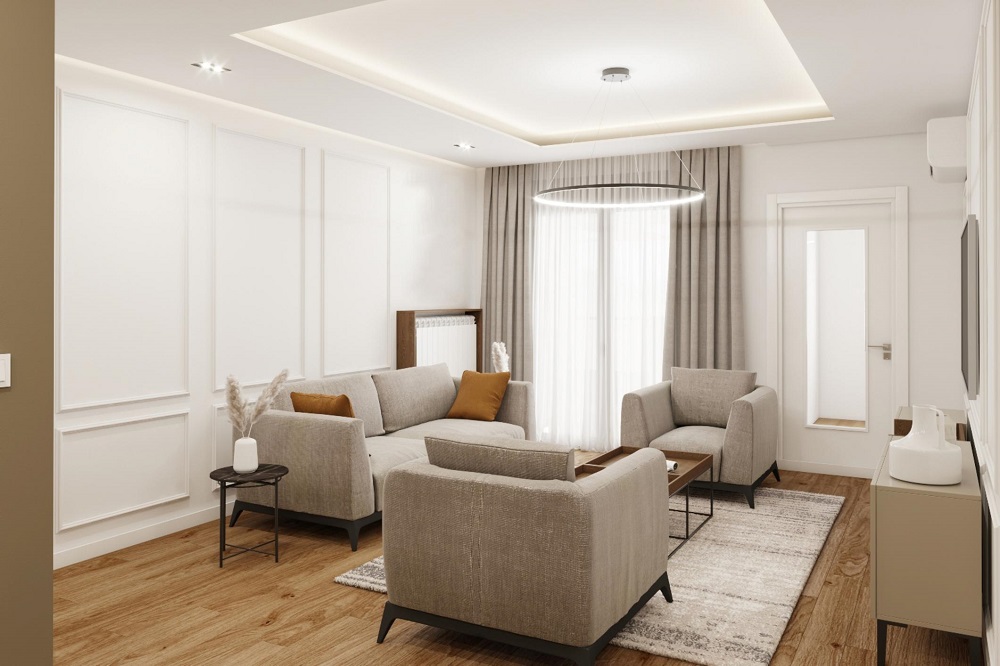
Furniture is more than a functional necessity—it is the visual backbone of interior design aesthetics. From shaping spatial balance to defining mood and identity, furniture influences how a room looks, feels, and performs. Thoughtful selection and placement can transform even a simple space into a refined, cohesive environment.
Understanding how furniture interacts with layout, materials, colors, and proportions helps create interiors that feel intentional rather than accidental.
The Role of Furniture in Defining Interior Style
Furniture plays a central role in expressing the design language of a space. Whether minimalist, traditional, industrial, or contemporary, the furniture you choose communicates the room’s personality instantly.
Key ways furniture defines style include:
- Establishing visual identity
- Reinforcing architectural character
- Supporting design themes
- Creating stylistic consistency across rooms
For example:
- Sleek silhouettes suggest modern elegance
- Ornate carvings evoke classical sophistication
- Natural wood textures create warmth and authenticity
- Metal-framed furniture introduces an industrial tone
Furniture acts as the anchor that ties decorative elements together.
How Furniture Shapes Spatial Balance and Layout
Interior aesthetics rely heavily on proportion and arrangement. Furniture placement determines whether a space feels open, crowded, structured, or chaotic.
Balanced interiors typically include:
- Proper spacing between major pieces
- Clear movement pathways
- Symmetry or intentional asymmetry
- Visual weight distribution across the room
Oversized furniture in a compact room reduces comfort and elegance, while undersized pieces in large spaces create emptiness. Achieving harmony requires selecting furniture that matches room scale.
Smart layout decisions improve both beauty and usability.
Color Coordination and Visual Harmony
Furniture contributes significantly to a room’s color palette. It can either:
- Complement existing tones
- Create contrast for visual interest
- Serve as a focal highlight
Neutral furniture works well when:
- Walls feature bold colors
- Accessories are decorative
- Flexibility is desired
Statement furniture works best when:
- The rest of the space remains restrained
- A strong visual center is needed
Consistency between furniture finishes, upholstery, flooring, and décor strengthens aesthetic unity.
Texture and Material Influence on Atmosphere
Texture adds depth and sensory richness to interiors. Furniture materials strongly influence emotional perception.
Common aesthetic effects include:
Wood
- Warm
- Organic
- Inviting
Glass
- Light
- Modern
- Spacious
Metal
- Sleek
- Industrial
- Structured
Fabric upholstery
- Soft
- Comfortable
- Relaxed
Mixing textures thoughtfully prevents interiors from appearing flat or monotonous.
Furniture as a Functional Design Statement
Interior design aesthetics are not only visual—they are experiential. Furniture contributes to comfort, accessibility, and usability while maintaining style.
Functional aesthetic improvements include:
- Multi-purpose furniture maximizing space efficiency
- Modular pieces supporting flexibility
- Storage furniture reducing clutter
- Ergonomic seating enhancing comfort 🪑
When functionality aligns with visual appeal, interiors feel both elegant and livable.
Creating Focal Points with Furniture
Strategically selected furniture naturally draws attention and anchors the room composition.
Examples of aesthetic focal furniture include:
- Statement sofas
- Accent chairs
- Sculptural coffee tables
- Designer shelving units
A strong focal piece reduces the need for excessive decoration while elevating the overall atmosphere.
The Impact of Furniture Scale and Proportion
Scale determines whether interiors feel balanced or awkward. Proportion refers to how furniture relates to surrounding elements.
Well-scaled interiors typically feature:
- Ceiling-height alignment with tall furniture
- Appropriately sized seating groups
- Tables matching sofa height
- Visual breathing space between pieces
Correct proportions create visual comfort that people instinctively recognize.
Supporting Lifestyle Through Furniture Choices
Interior aesthetics improve when furniture reflects how people actually live in the space.
Lifestyle-based selections may include:
- Compact furniture for urban homes
- Durable materials for family environments
- Flexible seating for social spaces
- Minimalist furniture for calm atmospheres
Design becomes meaningful when it supports everyday routines naturally.
Enhancing Lighting Effects Through Furniture Placement
Furniture influences how natural and artificial light moves through a room.
Effective placement strategies include:
- Avoiding window obstruction
- Positioning reflective surfaces strategically
- Using light-colored upholstery to brighten interiors
- Allowing layered lighting to highlight textures
Proper arrangement improves both brightness and visual depth.
Achieving Cohesion Across Interior Spaces
Furniture helps unify multiple rooms into one coherent design narrative.
Consistency can be maintained through:
- Repeating materials
- Matching color undertones
- Coordinated furniture silhouettes
- Complementary finishes
Even subtle repetition strengthens visual continuity throughout a home.
Common Furniture Mistakes That Affect Interior Aesthetics
Avoiding these mistakes improves overall design quality:
- Overcrowding rooms with unnecessary pieces
- Ignoring scale relationships
- Mixing too many styles without balance
- Choosing appearance over comfort
- Blocking circulation pathways
Thoughtful editing is just as important as selection.
Conclusion
Furniture shapes interior aesthetics more than any other design component. It defines style, controls spatial balance, enhances texture, supports function, and creates emotional atmosphere. When chosen carefully and arranged thoughtfully, furniture transforms ordinary spaces into visually engaging environments that feel comfortable, purposeful, and harmonious.
Great interiors are not built with decoration alone—they are structured around the furniture that supports everyday living beautifully.
FAQ Section
1. Why is furniture considered the foundation of interior aesthetics?
Furniture occupies the most visual space in a room and determines layout, scale, and usability. It sets the structure that decorative elements build upon.
2. Can furniture alone change the look of a room without repainting walls?
Yes. Replacing or rearranging furniture can dramatically alter spatial perception, style identity, and visual balance without structural changes.
3. How does furniture placement affect room comfort?
Proper placement improves movement flow, accessibility, and seating interaction, making the space feel more natural and welcoming.
4. Should furniture always match in style?
Not necessarily. Mixing styles works well when there is consistency in color palette, material tone, or proportions.
5. What type of furniture makes small rooms appear larger?
Low-profile seating, light-colored upholstery, exposed-leg furniture, and multi-functional pieces help create the illusion of openness.
6. How important is upholstery choice in interior aesthetics?
Very important. Upholstery influences texture, comfort perception, and color harmony within the room.
7. How often should furniture be updated to maintain modern aesthetics?
Furniture does not need frequent replacement. Updating accent pieces, rearranging layouts, or refreshing upholstery can maintain a contemporary look effectively.