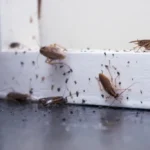


Busy commercial zones, closeness to wooded areas on the edges, and brick residential neighborhoods create ongoing pest problems in St. Louis. Every neighborhood has unique problems, and many of these are accelerated by the seasonal changes. Homes in South City and older central corridors have pest activity inside for most parts of the year. On the other hand, neighborhoods near the Mississippi River and the River Des Peres have more distinctive seasonal cycles.
Despite DIY attempts, many homeowners continue to see pests. If you know about an active infestation, your first step should be to schedule a professional inspection. Consider talking to the experts at Pointe Pest Control, which is a trusted company for ongoing services in St. Louis. In this guide, let’s discuss more about seasonal pest patterns in the city.
- Early Spring: From late February to March, snowmelt and early rain impact the soil, especially in neighborhoods close to the water bodies and rivers. As a result, ants, crickets, and moisture insects often find places to hide in basements. You may notice increased sightings in areas that don’t have as much foot traffic, such as laundry rooms, basements, and sump areas.
- Late Spring: Termites are a real problem across all areas in St. Louis, although infestations are more common in older South City neighborhoods that have mature trees and damp soil. Termite swarms are active during this period, and without inspections, homeowners often have to deal with extensive damage. Ant activity also spikes considerably after rain, and you can find all sorts of species, including pavement and carpenter ants.
- Summer: Early summer is the peak time for ants and roaches. German cockroaches are seen regularly in multi-unit buildings in June and often infest kitchens and bathrooms. If you have pets, you have to be cautious about fleas, particularly if your home is in North County or older South City. Peak summer in the city is between July and August, and most pests start looking for damp interior areas during these months. Mosquitoes are also a problem in areas near river corridors and in busy residential areas with clogged gutters and drainage systems.
- Fall and Winter: As early as October, mice start entering homes. Older county homes that have attached garages are particularly at risk. Soil movement in summer often reopens gaps and holes, which allow rodents to get inside during fall and winter. Spiders are also extremely active indoors during the colder months, and if you see more activity, you can safely assume that insect populations are also on the rise.
Avoid DIY Pest Control in St. Louis
Many homes in the city have ongoing and recurring pest issues, often because homeowners rely extensively on sprays and DIY remedies. Instead of looking for remediation, people look for quick fixes, often not realizing that the results won’t last. Yes, you can try to address visible issues, but what you truly need is the expertise of professionals and trained technicians. DIY can worsen the situation, scatter pests in new areas, and even hide the extent of damage.
Call a Pest Control Team
If you get an exterminator to check your home, they will first check the entire site and ensure all facts are clear. The treatment or other steps will be based on findings, and many companies now follow the IPM way, so if sprays or other products are required, their use will be limited to certain rooms/areas only. With the right pest control service in St. Louis, you don’t have to worry about guesswork or finding signs. The team will return to check for seasonal issues, and if there are early issues, technicians can take quick measures accordingly.