

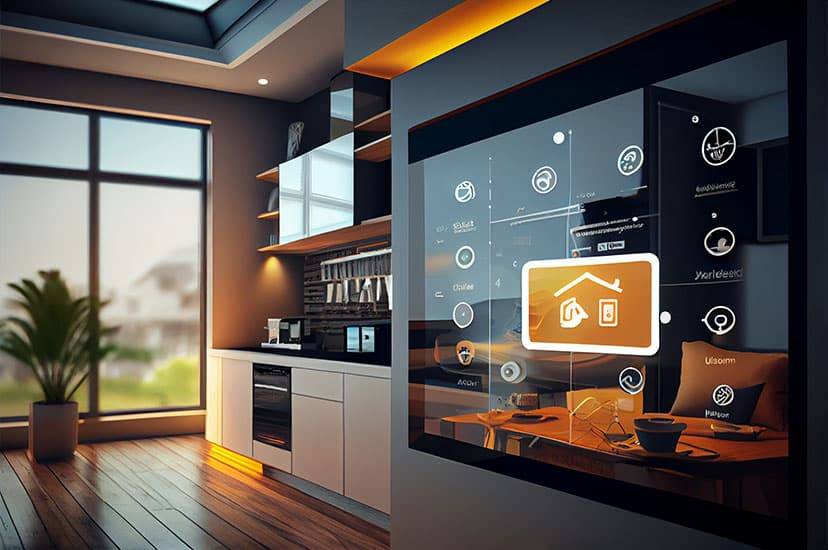
Home automation is transforming how people interact with their living spaces. What once seemed futuristic—lights responding to voice commands or doors unlocking remotely—is now part of everyday life. By connecting devices through smart technologies, homeowners can improve comfort, security, energy efficiency, and convenience with minimal effort.
As digital infrastructure becomes more accessible and affordable, smart homes are evolving from luxury upgrades into practical lifestyle solutions for modern households.
What Is Home Automation?
Home automation refers to the integration of smart devices and systems that allow homeowners to monitor, control, and automate household functions using smartphones, voice assistants, or centralized control panels.
These systems typically connect through Wi-Fi, Bluetooth, or specialized hubs and can manage multiple operations simultaneously.
Common automated elements include:
- Smart lighting systems
- Intelligent thermostats
- Voice assistants
- Security cameras and alarms
- Smart locks
- Entertainment systems
- Automated curtains and blinds
Together, these components create a synchronized environment that adapts to user preferences.
How Home Automation Works
At its core, home automation operates through interconnected devices that communicate within a digital ecosystem. These devices rely on sensors, controllers, and communication protocols to function efficiently.
A typical setup includes:
- Smart devices that perform tasks
- Central hub or controller that coordinates communication
- Internet connectivity for remote access
- Mobile applications or voice interfaces for user interaction
For example, motion sensors can trigger lights automatically when someone enters a room, while temperature sensors adjust climate settings based on environmental changes.
Key Benefits of Home Automation
Modern homeowners increasingly adopt automation because it enhances daily living in multiple ways.
1. Enhanced Convenience
Automation simplifies routine tasks. Instead of manually adjusting appliances, users can:
- Control devices remotely
- Schedule operations in advance
- Use voice commands for instant responses
This allows households to operate smoothly even during busy schedules.
2. Improved Energy Efficiency
Smart homes optimize energy consumption by monitoring usage patterns and adjusting systems accordingly.
Examples include:
- Turning off unused lights automatically
- Adjusting air conditioning based on occupancy
- Monitoring electricity usage in real time
These features help reduce utility bills while supporting environmentally responsible living.
3. Advanced Home Security
Security is one of the strongest motivations behind adopting smart home technologies.
Smart security systems offer:
- Real-time surveillance monitoring
- Motion detection alerts
- Remote door locking/unlocking
- Emergency notifications
Homeowners gain peace of mind even when traveling or away from home for extended periods.
4. Personalized Living Experience
Automation systems learn user preferences over time and adjust settings accordingly.
For instance:
- Lights dim during evening hours
- Music plays automatically when entering a room
- Temperature adjusts based on daily routines
This personalization transforms houses into responsive living environments.
Popular Home Automation Technologies
Several technologies form the foundation of modern smart homes. Understanding them helps homeowners choose systems that match their needs.
Voice-Controlled Assistants
Voice assistants allow hands-free control of multiple devices using simple spoken commands.
They support actions such as:
- Switching lights on or off
- Playing music
- Setting reminders
- Controlling appliances
This makes interaction natural and accessible for users of all ages.
Smart Lighting Systems
Smart lighting improves both comfort and energy management.
Features include:
- Remote brightness control
- Color customization
- Motion-based activation
- Scheduled operation
These capabilities enhance both ambiance and efficiency.
Intelligent Climate Control
Smart thermostats automatically regulate indoor temperatures based on occupancy patterns and weather conditions.
Benefits include:
- Reduced electricity usage
- Improved comfort
- Better temperature consistency
Over time, they adapt to household habits for optimized performance.
Smart Security Solutions
Modern security automation integrates multiple protective layers.
Typical components include:
- Smart locks
- Video doorbells
- Motion sensors
- Surveillance cameras
Together, they create a comprehensive safety network.
Challenges of Home Automation Adoption
Despite its advantages, home automation still presents certain practical considerations.
Initial Setup Costs
Smart devices can require upfront investment depending on the scale of automation desired. However, long-term energy savings often offset these expenses.
Compatibility Issues
Not all smart devices communicate seamlessly with each other. Choosing systems that support open standards improves flexibility.
Privacy Concerns
Because connected devices collect data, users must ensure proper security measures such as:
- Strong passwords
- Secure networks
- Regular firmware updates
Responsible usage minimizes risks.
Future Trends in Home Automation
The next generation of smart homes will focus on deeper integration and intelligent decision-making.
Emerging developments include:
- AI-driven predictive automation
- Voice recognition personalization
- Energy optimization using real-time analytics
- Integration with renewable energy systems
- Smart health monitoring environments
As these innovations mature, homes will become increasingly responsive to both lifestyle needs and environmental conditions.
Why Home Automation Matters in Modern Living
Today’s households demand solutions that combine efficiency with comfort. Automation supports both by simplifying everyday routines and enabling smarter resource management.
It also contributes to:
- Sustainable energy usage
- Improved property value
- Enhanced accessibility for elderly residents
- Greater lifestyle flexibility
As technology evolves, smart homes are expected to become the standard rather than the exception.
FAQs About Home Automation
1. Is home automation suitable for small homes or apartments?
Yes. Even compact living spaces benefit from smart lighting, voice assistants, and security systems that improve convenience without requiring large installations.
2. Can home automation work without internet connectivity?
Some systems operate locally through hubs or Bluetooth, but remote access features typically require an active internet connection.
3. Are smart home devices difficult to install?
Many modern devices are designed for easy installation and can be set up without professional assistance. Complex systems, however, may require expert configuration.
4. Does home automation increase electricity consumption?
Automation usually reduces electricity usage by optimizing device operation and preventing unnecessary energy waste.
5. Can older homes be upgraded with automation systems?
Yes. Most smart devices are retrofit-friendly and can be integrated into existing structures without major renovations.
6. Is home automation safe from cyber threats?
When users follow proper cybersecurity practices—such as updating software regularly and using strong passwords—smart home systems remain secure.
7. What is the first step toward building a smart home?
Starting with essential devices like smart lighting or a voice assistant provides a practical entry point before expanding into advanced automation systems.


