
Water pressure issues are among the most common household plumbing concerns. Whether water trickles weakly from taps or bursts out too forcefully, improper pressure affects comfort, appliance performance, and even the lifespan of your plumbing system. Understanding the root causes helps you fix problems efficiently and prevent costly damage.
This guide explains the most frequent reasons behind water pressure problems and provides practical, real-world solutions you can apply at home.
Understanding Normal Water Pressure Levels
Residential water pressure typically ranges between 40 and 60 psi (pounds per square inch). Pressure below this range causes weak flow, while higher pressure can damage fixtures and pipes over time.
Common signs of abnormal pressure include:
- Slow-filling buckets or tanks
- Weak shower performance
- Noisy pipes
- Leaking faucets
- Sudden pressure fluctuations
Identifying whether the pressure is too low or too high is the first step toward solving the issue.
Common Causes of Low Water Pressure
1. Clogged Pipes or Fixtures
Mineral deposits, rust, and debris accumulate inside pipes over time, especially in areas with hard water. This buildup restricts flow and reduces pressure at outlets.
Solutions:
- Clean faucet aerators regularly
- Flush showerheads with vinegar solution
- Replace severely clogged pipes if necessary
Routine cleaning often restores pressure quickly without major plumbing work.
2. Faulty Pressure Regulator
Many homes have a pressure-reducing valve installed near the main water line. If it malfunctions, pressure may suddenly drop or fluctuate unpredictably.
Solutions:
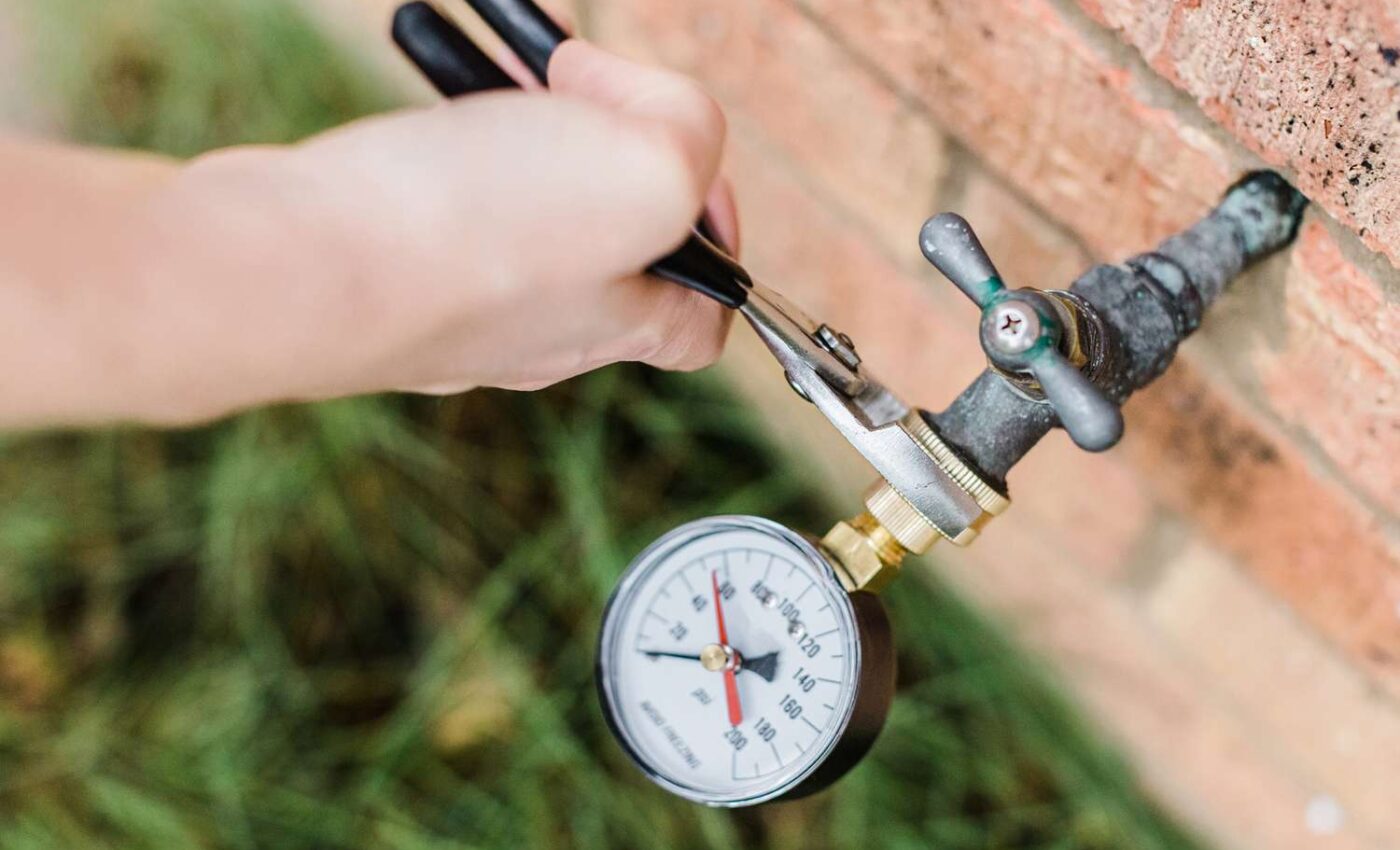
- Test pressure using a gauge
- Adjust regulator settings carefully
- Replace defective regulators if adjustment fails
A working regulator keeps pressure stable throughout the home.
3. Leaking Pipes
Hidden leaks reduce water flow reaching fixtures. Even small leaks can significantly affect pressure.
Warning signs include:
- Damp walls or ceilings
- Unexpectedly high water bills
- Mold or musty odors
Solutions:
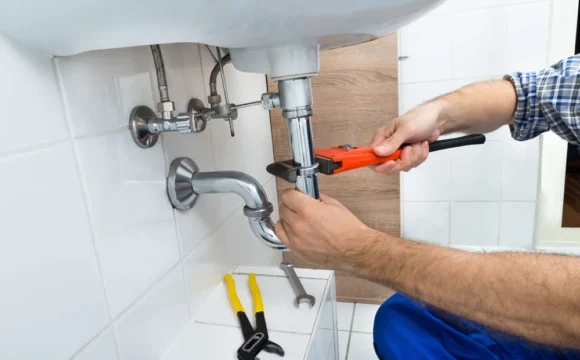
- Inspect exposed pipes regularly
- Repair leaks immediately 🔧
- Contact a plumber for concealed pipe detection
Early repair prevents structural damage and restores pressure quickly.
4. Municipal Supply Issues
Sometimes the problem originates outside your home. Maintenance work, peak usage hours, or supply interruptions can temporarily reduce pressure.
Solutions:
- Check with neighbors about similar issues
- Contact your local water provider
- Install a booster pump if low supply is persistent
External supply problems often resolve without internal plumbing changes.
5. Partially Closed Shut-Off Valves
Main shut-off valves or meter valves that are not fully open restrict water flow.
Solutions:
- Inspect main water valve position
- Ensure valves are fully open
- Avoid forcing stuck valves
This is one of the easiest fixes homeowners overlook.
Causes of High Water Pressure
While low pressure is inconvenient, high pressure can be more dangerous to plumbing systems.
1. Malfunctioning Pressure Regulator
A faulty regulator may allow excessive pressure into the system, damaging appliances such as washing machines and water heaters.
Solutions:
- Test pressure with a gauge
- Replace the regulator if readings exceed safe limits
Maintaining proper pressure protects your entire plumbing network.
2. Thermal Expansion in Closed Systems
When water heats inside storage tanks, it expands and increases pressure.
Solutions:
- Install an expansion tank
- Check relief valve operation
Expansion tanks stabilize pressure variations effectively.
3. Municipal Pressure Surges
Supply-line surges occasionally increase pressure beyond safe limits.
Solutions:
- Install surge protection valves
- Use pressure-reducing regulators
These devices shield fixtures and prevent pipe stress.
Practical DIY Solutions to Improve Water Pressure
Many pressure issues can be solved without professional help.
Try these simple steps first:
- Clean clogged showerheads and faucet aerators
- Check all shut-off valves
- Inspect visible pipes for leaks
- Flush sediment from water heaters
- Test pressure using an inexpensive gauge
These actions solve a surprising number of household complaints.
When to Install a Water Pressure Booster Pump
If your home consistently experiences weak pressure due to elevation, distance from supply lines, or municipal limitations, a booster pump may be the best solution.
Booster pumps:
- Improve flow at multiple fixtures
- Maintain steady pressure levels
- Support upper-floor bathrooms 🚿
They are especially useful in multi-story houses.
Preventive Maintenance Tips for Stable Water Pressure
Regular maintenance keeps pressure consistent and protects plumbing infrastructure.
Follow these habits:
- Inspect pipes every six months
- Clean aerators quarterly
- Test pressure annually
- Monitor sudden pressure changes
- Replace aging regulators proactively
Preventive care reduces long-term repair costs significantly.
Signs You Should Call a Professional Plumber
Some situations require expert attention.
Contact a plumber if you notice:
- Sudden pressure drops across the entire house
- Persistent pipe noise
- Repeated regulator failures
- Visible corrosion in pipelines
- Water discoloration with pressure changes
Professional diagnosis ensures safe and lasting repairs.
Frequently Asked Questions (FAQs)
1. Can water pressure change at different times of the day?
Yes. Pressure often drops during peak usage hours when many households draw water simultaneously.
2. Is low pressure always caused by plumbing problems inside the house?
No. External supply issues, municipal maintenance, or neighborhood demand can also affect pressure levels.
3. How often should a pressure regulator be replaced?
Most regulators last 10–15 years, but replacement may be needed sooner if pressure becomes unstable.
4. Does pipe material affect water pressure?
Yes. Older galvanized pipes restrict flow more than modern copper or PVC pipes.
5. Can installing larger pipes increase pressure?
Larger pipes improve flow rate rather than pressure itself, but they can make water delivery feel stronger at fixtures.
6. Are pressure gauges easy to install at home?
Yes. Most gauges attach directly to outdoor taps and provide quick readings without professional tools.
7. Can high water pressure increase utility bills?
Yes. Excess pressure causes higher water usage and accelerates leaks, both of which raise costs 💧