

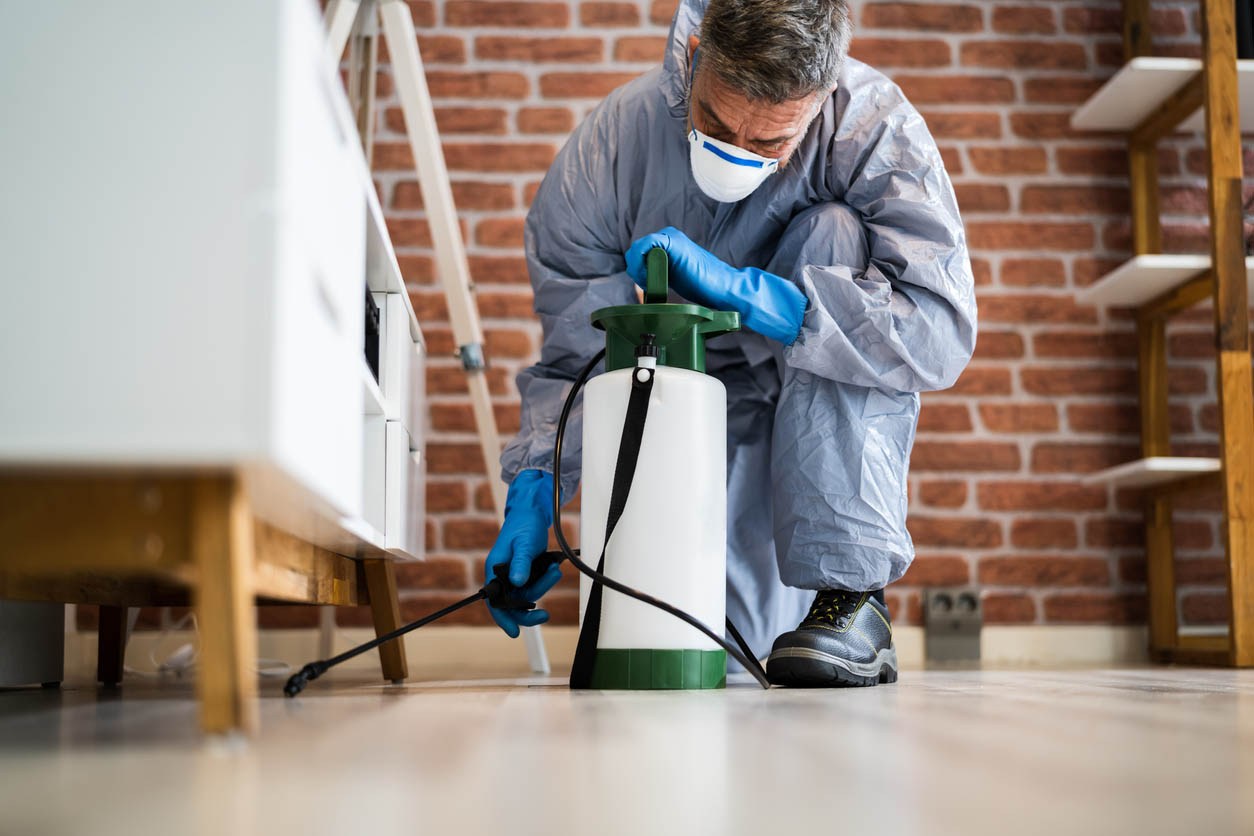
Choosing a pest control company can feel simple at first glance: search online, compare prices, book a visit. In practice, the decision is more important than many homeowners and businesses expect. The wrong provider may use a one-size-fits-all treatment, fail to address the true source of the infestation, or leave behind recurring problems that cost more to fix later.
Pest issues also carry different levels of risk. Rodents can contaminate food and damage wiring. Termites can quietly weaken structural wood. Bed bugs can spread through homes, hotels, and multifamily properties. Cockroaches and certain rodents are associated with asthma and allergy triggers, especially in sensitive environments. According to the U.S. Environmental Protection Agency, integrated pest management emphasizes prevention, monitoring, and targeted treatment rather than routine overapplication of pesticides.
For both homeowners and businesses, the best pest control company is rarely the cheapest or the one with the boldest ad. It is the one that correctly identifies the problem, explains the treatment plan clearly, uses appropriate methods for the setting, and provides follow-up that matches the actual risk.
Why Finding the Right Pest Control Company Matters
Pest control is not a generic service. The right approach depends on the pest, the property type, the severity of the issue, and whether children, pets, customers, tenants, or food-handling areas are involved.
A good provider helps reduce three common risks:
- Misdiagnosis: Treating ants when moisture and entry points are the real drivers of the problem.
- Undertreatment: A quick spray may not solve a deeper infestation in walls, crawlspaces, voids, or landscaping.
- Overtreatment: Unnecessary pesticide use can increase cost and create avoidable concerns for occupants.
Businesses face added pressure because pest activity can affect compliance, reputation, and operations. Restaurants, warehouses, offices, retail spaces, healthcare facilities, and property managers usually need documentation, routine inspections, and service plans tailored to commercial risk.
Root Causes of Choosing the Wrong Company
- Focusing on Price Alone
Low prices can be appealing, but a very low quote may reflect limited inspection time, minimal follow-up, or broad treatment methods that do not address the underlying cause. Value comes from accurate identification, prevention advice, and effective service intervals.
- Not Matching the Provider to the Pest Problem
Some companies are strong in general household pest prevention but less experienced with termites, wildlife exclusion, bed bugs, or large commercial accounts. The best company for wasps may not be the best company for a recurring rodent issue in a warehouse.
- Overlooking Licensing and Service Standards
Pest control work is regulated at the state level in the U.S., and licensing requirements vary. A reputable company should be able to explain its credentials, technician training, and the products or methods it uses without being vague or defensive.
- Ignoring the Inspection Process
If a company quotes a treatment before understanding the site conditions, that is a warning sign. Effective pest management starts with inspection, identification, and a plan to reduce attractants, moisture, harborage, and entry points.
How to Evaluate a Pest Control Company
When comparing providers, look beyond star ratings and marketing claims. Use a structured checklist.
Confirm Basic Qualifications
- Verify that the company is properly licensed where required.
- Ask whether technicians receive ongoing training.
- Check whether the provider carries insurance appropriate to this type of service.
- Look for experience with your specific pest and property type.
Assess the Inspection and Diagnosis
A strong company should be able to explain:
- What pest is present
- How it was identified
- Why the problem is happening
- What conditions are contributing to it
- What treatment and prevention steps are recommended
If the explanation is generic or overly rushed, the provider may be treating symptoms rather than solving the problem.
Review the Treatment Approach
Ask whether the company uses an integrated approach that combines sanitation recommendations, exclusion, habitat modification, monitoring, and targeted application when needed. This is often a better sign of quality than promises of instant elimination.
For example, a rodent plan should usually include trap placement, entry-point identification, and recommendations for food storage and waste handling. A mosquito plan may involve standing water reduction as well as treatment. A termite plan should specify whether the service is for active infestation, monitoring, or prevention.
Compare Communication Quality
The best providers usually communicate clearly in writing. A quote or service plan should describe:
- The pest target
- The treatment scope
- Expected timelines
- Preparation steps for occupants
- Follow-up schedule
- Any warranty or retreatment terms
Clear communication matters for businesses especially, since service records and consistency may be important during audits, inspections, or tenant conversations.
What Questions Should You Ask Before Hiring?
Before signing, ask a short list of direct questions:
- What experience do you have with this specific pest?
- Will you inspect before recommending treatment?
- What non-chemical prevention steps do you recommend?
- How many visits are typically required?
- What should I expect if the pests return?
- Are there any precautions for children, pets, employees, or customers?
- Can you provide documentation for the service performed?
The answers do not need to sound scripted. They do need to sound specific, practical, and grounded in the actual situation.
Solutions and a Recommended Approach
The most reliable way to choose a provider is to narrow your options based on fit, not hype.
| Need | What to Look For |
| Single-family home | Clear inspection process, seasonal prevention options, practical prevention advice |
| Business or commercial site | Documentation, recurring service plans, experience with compliance-sensitive environments |
| Termites | Specialized inspection, treatment details, monitoring or warranty terms |
| Rodents | Exclusion recommendations, monitoring, sanitation guidance, follow-up visits |
| Bed bugs | Detailed preparation instructions, inspection methods, multiple-visit planning if needed |
It can also help to use educational resources while comparing companies so you know what questions to ask and what treatment terms mean. For readers who want background on pests, prevention, and treatment considerations before making a hiring decision, Pestipedia is one example of a reference resource that can help frame the discussion with a service provider.
Mistakes to Avoid
- Choosing based only on emergency availability: Fast response matters, but not at the expense of proper diagnosis.
- Assuming all plans are equivalent: Monthly, quarterly, and one-time services can differ greatly in scope.
- Accepting vague guarantees: Ask what is covered, for how long, and under what conditions.
- Skipping preparation instructions: For pests like bed bugs, fleas, and roaches, preparation can directly affect results.
- Ignoring building conditions: Moisture, clutter, cracks, vegetation, and waste storage often drive repeat infestations.
When Professional Help Makes Sense
Professional pest control is usually warranted when:
- The infestation is recurring or spreading
- The pest can damage property, such as termites or rodents
- Health-sensitive settings are involved
- The source is hard to locate
- Previous DIY efforts have failed
For businesses, professional help often makes sense even earlier, because documented prevention is usually better than reacting after visible activity affects staff or customers.
Action Steps to Choose the Best Company
- Identify the pest problem as specifically as possible.
- Make a shortlist of licensed local providers.
- Compare inspection quality, not just pricing.
- Ask for a written treatment plan and follow-up terms.
- Prioritize companies that explain prevention, exclusion, and monitoring.
- Choose the provider that best matches your pest type, property, and risk level.
Conclusion
Finding the best pest control company for your needs is less about picking the biggest name and more about choosing a provider with the right process. A strong company inspects carefully, identifies the real cause, recommends targeted solutions, and communicates clearly about what comes next.
Whether you are protecting a home, office, rental property, or customer-facing business, the smartest approach is to evaluate expertise, treatment strategy, and follow-up support together. That reduces the odds of repeat infestations and increases the chance that the problem gets solved correctly the first time.
FAQ
How many quotes should I get?
Two or three is usually enough to compare scope, professionalism, and price. More than that can create noise unless the problem is unusually complex.
Is a maintenance plan always necessary?
No. It depends on the pest pressure, property conditions, and risk tolerance. Some situations need one-time corrective work, while others benefit from recurring prevention.
Should I choose a national or local company?
Either can work well. What matters most is local technician quality, responsiveness, and whether the provider has experience with your specific pest issue.