
Modern lifestyles often keep people indoors for long hours, surrounded by artificial lighting, synthetic materials, and digital environments. Biophilic design responds to this imbalance by reconnecting people with nature through built environments. More than an aesthetic trend, it is a research-backed approach that supports mental clarity, emotional stability, physical health, and productivity.
This article explores how biophilic design works, why it matters, and how it enhances human wellbeing in homes, workplaces, schools, and healthcare environments.
What Is Biophilic Design?
Biophilic design is a design philosophy that integrates natural elements into indoor and urban spaces to strengthen the relationship between humans and nature. The concept is rooted in the idea that people possess an innate biological connection to natural environments.
Rather than simply adding decorative plants, biophilic design thoughtfully incorporates:
- Natural light
- Indoor greenery
- Organic materials
- Airflow and ventilation
- Natural textures and patterns
- Water elements
- Views of landscapes or sky
Together, these features create environments that feel calming, restorative, and energizing.
Why Humans Need Connection With Nature
Human evolution occurred in close interaction with forests, rivers, sunlight, and seasonal cycles. When people spend extended time in enclosed artificial settings, the absence of natural stimuli can lead to:
- Mental fatigue
- Reduced concentration
- Higher stress levels
- Sleep disruption
- Lower productivity
Biophilic environments help restore that connection, allowing the brain and body to function more efficiently.
Key Elements of Biophilic Design
Effective biophilic spaces combine multiple natural components instead of relying on a single feature.
1. Natural Light
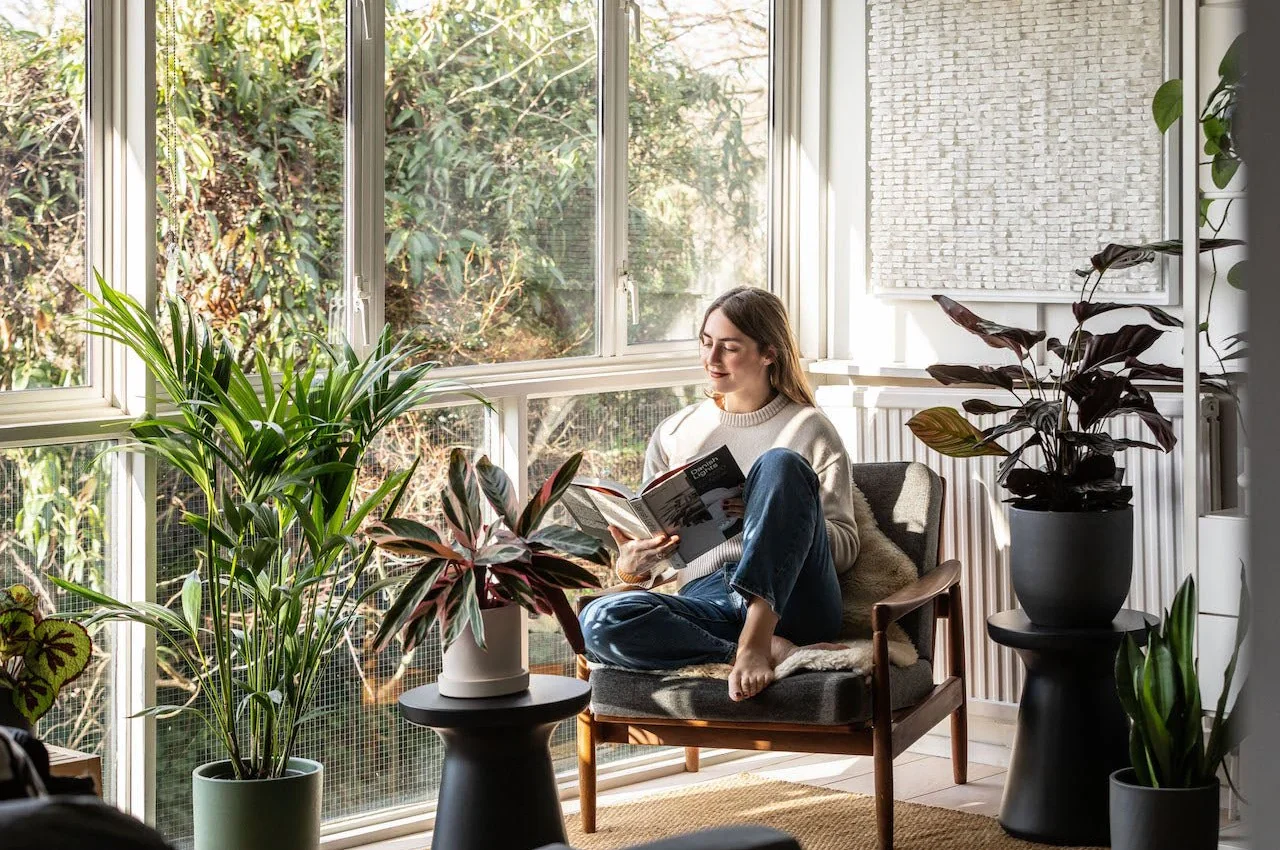
Sunlight regulates circadian rhythms, improves mood, and supports vitamin D synthesis. Spaces designed with large windows, skylights, and open layouts allow daylight to penetrate deeper into interiors.
Benefits include:
- Better sleep quality
- Increased alertness
- Reduced eye strain
- Improved emotional balance
2. Indoor Plants and Greenery
Plants improve indoor air quality and provide visual comfort. Even small additions like desk plants can reduce stress levels.
Common indoor plant benefits include:
- Lower anxiety levels
- Improved concentration
- Reduced indoor pollution
- Enhanced creativity
3. Natural Materials
Materials such as wood, stone, bamboo, clay, and cotton create sensory comfort and warmth that synthetic materials often lack.
These materials:
- Regulate humidity naturally
- Improve tactile experience
- Add visual richness
- Support sustainability goals
4. Views of Nature
Access to outdoor scenery significantly improves psychological wellbeing. Even indirect exposure, such as framed landscape visuals or rooftop gardens, produces positive effects.
Research consistently shows that people working near windows experience:
- Lower stress levels
- Higher productivity
- Better emotional stability
5. Water Features
Water elements such as fountains, ponds, or aquariums introduce calming sound patterns that promote relaxation.
These features help:
- Reduce mental fatigue
- Improve focus
- Create a tranquil environment
Psychological Benefits of Biophilic Design
One of the strongest impacts of biophilic environments is on mental health.
Exposure to nature-inspired interiors contributes to:
- Reduced stress hormones
- Lower anxiety levels
- Improved emotional resilience
- Faster recovery from mental fatigue
Natural surroundings also stimulate the brain’s attention restoration system, helping people regain concentration after cognitive overload.
Physical Health Benefits
Biophilic spaces influence the body as much as the mind.
Health improvements include:
- Lower blood pressure
- Improved immune function
- Better sleep cycles
- Reduced headaches
- Increased physical activity motivation
These outcomes are especially important in workplaces where people remain seated for extended periods.
Impact on Workplace Productivity
Organizations increasingly adopt biophilic strategies because they directly affect employee performance.
Studies show workplaces with natural elements experience:
- Higher creativity levels
- Increased engagement
- Reduced absenteeism
- Better teamwork satisfaction
- Stronger problem-solving ability
Simple additions like daylight exposure and indoor plants can significantly improve work efficiency.
Role in Healthcare Environments
Hospitals and recovery centers benefit greatly from nature-integrated design.
Patients exposed to natural environments often experience:
- Faster healing rates
- Reduced medication dependency
- Lower anxiety before procedures
- Improved comfort during recovery
Healthcare workers also report reduced burnout in nature-connected spaces.
Biophilic Design in Homes
Residential spaces can easily incorporate nature-inspired elements without major renovation.
Practical ideas include:
- Adding balcony plants or vertical gardens
- Using wooden furniture
- Maximizing daylight exposure
- Choosing natural fabrics
- Creating indoor herb corners
- Introducing water bowls or tabletop fountains
Even small changes can create noticeable improvements in comfort and mood.
Biophilic Design and Sustainability
Biophilic design naturally supports environmental responsibility by encouraging:
- Energy-efficient daylight usage
- Natural ventilation
- Reduced reliance on artificial materials
- Integration of greenery into urban settings
These strategies contribute to healthier cities while lowering environmental impact.
Challenges in Implementing Biophilic Design
Despite its benefits, implementation may involve certain limitations.
Common challenges include:
- Limited access to natural light in dense urban buildings
- Budget constraints
- Maintenance requirements for plants
- Space limitations in compact interiors
However, creative planning can overcome most of these issues through adaptable solutions like green walls and reflective daylight systems.
Future of Biophilic Design
As cities grow denser and digital lifestyles expand, demand for nature-integrated environments will continue to increase.
Future developments may include:
- Smart green buildings
- Indoor forest architecture
- Climate-responsive design systems
- Nature-integrated public infrastructure
- Biophilic educational campuses
These innovations aim to make nature a permanent partner in everyday living environments.
Frequently Asked Questions (FAQs)
1. Is biophilic design suitable for small apartments?
Yes. Even compact homes can benefit from indoor plants, daylight optimization, natural materials, and nature-inspired colors.
2. Can artificial plants provide the same benefits as real plants?
Artificial plants improve visual comfort but do not offer air purification or psychological benefits equal to living plants.
3. Does biophilic design increase construction costs?
Initial costs may rise slightly, but long-term savings through energy efficiency and improved wellbeing often offset expenses.
4. How does biophilic design affect children’s learning environments?
Nature-integrated classrooms improve attention span, creativity, and emotional stability among students.
5. Can workplaces adopt biophilic design without renovation?
Yes. Adding greenery, improving lighting, and introducing natural textures can make noticeable improvements without structural changes.
6. Is biophilic design only about adding plants indoors?
No. It includes natural light, airflow, materials, water elements, spatial layouts, and visual connections to outdoor environments.
7. Does biophilic design help reduce digital fatigue?
Yes. Natural elements restore mental focus and reduce the cognitive strain caused by prolonged screen exposure.